
Canine Parvovirus (CPV): Symptoms, Transmission, Diagnosis & Care | Ranlraka
Overview
Canine parvovirus (CPV) is a highly contagious viral disease that primarily affects dogs, with puppies and incompletely vaccinated dogs at greatest risk of severe illness. The virus mainly attacks rapidly dividing cells, particularly in the intestinal tract and bone marrow. Severe gastrointestinal disease can lead to dehydration, electrolyte imbalance, secondary bacterial complications and, without timely veterinary care, death.
CPV is environmentally persistent and can remain infectious in contaminated surroundings for extended periods. For this reason, early recognition, isolation and appropriate disinfection are important parts of disease control.
Common Clinical Signs
Common signs include loss of appetite, lethargy, fever or low body temperature, vomiting, and severe diarrhea that may become bloody. Dehydration can develop rapidly. Not every infected dog shows the same pattern, and clinical severity can vary with age, immune status and concurrent disease.
How CPV Spreads
CPV is primarily transmitted by the fecal-oral route. Dogs may become exposed through infected feces or contaminated environments, equipment, footwear, hands, cages and other surfaces. Direct dog-to-dog contact is not required for transmission.
Veterinary Diagnosis
Veterinarians assess the animal’s age, vaccination history, exposure risk and clinical signs. Fecal antigen rapid tests are commonly used as point-of-care screening tools. Additional laboratory evaluation, such as a complete blood count or molecular testing, may be used when the clinical picture and rapid-test result do not agree.
Rapid Antigen Testing
A CPV rapid antigen test can provide a fast qualitative result from a fecal sample. A positive result can support the diagnosis in a compatible clinical case. A negative result does not always exclude infection because viral shedding, sampling time and sample quality can affect detection. Results should therefore be interpreted together with clinical findings.
Treatment and Supportive Care
There is no simple home treatment that replaces veterinary care for clinically ill dogs with suspected parvovirus. Management commonly focuses on aggressive supportive care, including correction of dehydration and electrolyte abnormalities, control of vomiting, nutritional support and management of secondary complications. Treatment should be directed by a veterinarian.
Prevention
Vaccination is the most important preventive measure. Puppies require an appropriately timed vaccination series because maternal antibodies can interfere with early vaccine response. Suspected or confirmed cases should be isolated, and contaminated areas and equipment should be cleaned and disinfected using methods effective against parvovirus.
Frequently Asked Questions
Can a vaccinated dog still develop CPV?
Vaccination greatly reduces risk, but protection can be incomplete if the vaccination series is unfinished, immunity has not yet developed, or other factors interfere with protection.
Can a negative rapid test rule out CPV?
No. A negative result should be interpreted with the clinical picture and timing of sampling. Additional or repeat testing may be appropriate when suspicion remains high.
Related Products
CPV Rapid Test Kit; CPV-CCV Combo Rapid Test Kit; CDV-CPV Combo Rapid Test Kit
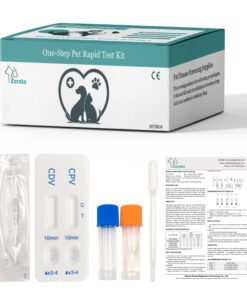
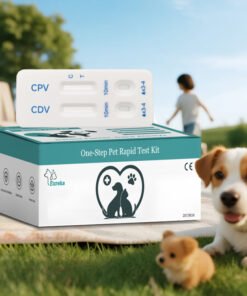
Canine Rapid Diagnostic Test Kits
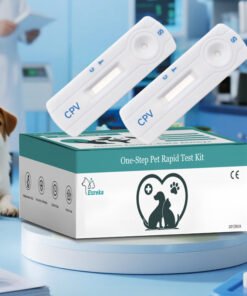
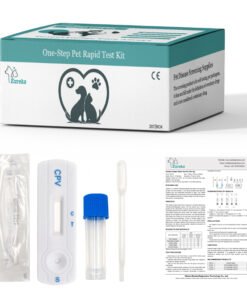
Canine Rapid Diagnostic Test Kits
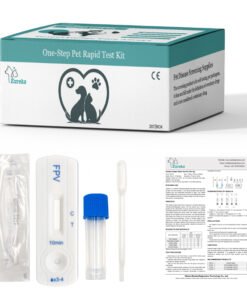
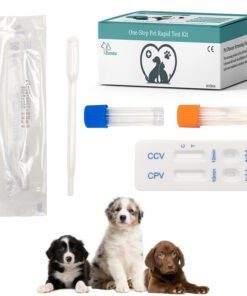
Canine Rapid Diagnostic Test Kits
Medical Disclaimer
This article is provided for general veterinary education. Clinical signs can overlap between diseases, and rapid-test results should be interpreted by veterinary professionals together with history, examination findings and other diagnostic information. Suspected serious illness requires prompt veterinary evaluation.
Looking for Professional Veterinary Solutions?
Explore reliable veterinary diagnostic products and equipment designed for professional use.