
Canine Heartworm Disease (CHW): Symptoms, Transmission, Diagnosis & Prevention | Ranlraka
Overview
Canine heartworm disease is a potentially life-threatening parasitic disease caused by Dirofilaria immitis. Adult heartworms primarily live in the pulmonary arteries and can damage the lungs, blood vessels and heart. Dogs may have no obvious signs during early infection, while more advanced disease can cause significant cardiopulmonary illness.
Common Clinical Signs
Many infected dogs initially show few or no signs. As disease progresses, possible signs include coughing, reduced exercise tolerance, fatigue, difficulty breathing, weight loss, fainting and, in severe cases, abdominal swelling associated with right-sided heart failure.
How Heartworm Spreads
Heartworm is transmitted through the bite of infected mosquitoes. A mosquito acquires immature parasites when feeding on an infected animal and can later transmit infective larvae to another dog. Heartworm does not spread directly from one dog to another without the mosquito vector.
Veterinary Diagnosis
Blood antigen testing is a primary method used to screen dogs for heartworm infection because it detects antigens associated with adult female heartworms. Veterinarians may also use microfilaria testing, chest radiographs, echocardiography and other laboratory tests to assess infection and disease severity.
Heartworm Antigen Testing
Rapid heartworm antigen tests can support routine screening and evaluation of suspected infection using an appropriate blood sample. Very early infections, low female worm burdens or other biological factors can affect detection, so a negative result does not always exclude infection.
Treatment and Veterinary Management
Treatment of confirmed heartworm infection must be managed by a veterinarian because killing adult worms can cause serious complications. The treatment plan depends on disease severity and may include adulticide therapy, additional medications, careful monitoring and strict exercise restriction.
Prevention
Heartworm disease is preventable. Consistent use of veterinarian-recommended heartworm preventives and appropriate periodic testing are important, including for dogs that spend most of their time indoors because mosquito exposure can still occur.
Frequently Asked Questions
Can an indoor dog get heartworm disease?
Yes. Indoor dogs can still be exposed to mosquitoes, so living primarily indoors does not eliminate heartworm risk.
Can a negative heartworm antigen test rule out every infection?
No. Early infection and certain worm-burden patterns may not be detected by antigen testing alone. Veterinary interpretation and additional testing may be appropriate.
Related Products
CHW Rapid Test Kit
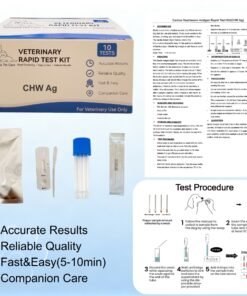

Canine Rapid Diagnostic Test Kits
Medical Disclaimer
This article is provided for general veterinary education. Clinical signs can overlap between diseases, and rapid-test results should be interpreted by veterinary professionals together with history, examination findings and other diagnostic information. Suspected serious illness requires prompt veterinary evaluation.