
Feline Panleukopenia (FPV): Symptoms, Transmission, Diagnosis & Care | Ranlraka
Overview
Feline panleukopenia is a highly contagious disease caused by feline panleukopenia virus (FPV), a parvovirus of cats. Kittens and unvaccinated cats are particularly vulnerable. The virus targets rapidly dividing cells, including cells in the intestinal tract and bone marrow, and severe disease can progress quickly.
FPV is resistant in the environment, making vaccination, isolation and effective disinfection particularly important in shelters, catteries and multi-cat settings.
Common Clinical Signs
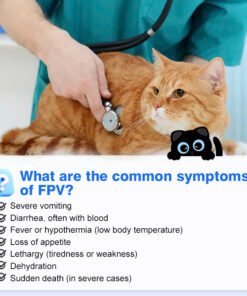
Possible signs include fever, profound lethargy, loss of appetite, vomiting, diarrhea and dehydration. Blood-cell abnormalities, especially reduced white blood cell counts, may occur. Young kittens can deteriorate rapidly.
How FPV Spreads
FPV spreads through contact with infected animals, feces, bodily secretions and contaminated objects or environments. Because the virus can persist in the environment, indirect transmission is an important concern.
Veterinary Diagnosis
Veterinarians combine clinical signs, vaccination history, exposure risk and laboratory findings. Fecal antigen rapid testing can provide fast point-of-care screening. Blood tests and molecular methods may be used to support or confirm diagnosis.
Rapid Antigen Testing
FPV fecal antigen tests can help identify infected cats quickly. Test results must be interpreted with clinical findings and vaccination history. A negative result does not always rule out disease if suspicion remains high.
Treatment and Supportive Care
Treatment is mainly intensive supportive care. Veterinary management may include fluid and electrolyte therapy, antiemetic treatment, nutritional support and management of secondary bacterial complications. Severely affected kittens often require close monitoring.
Prevention
Vaccination is highly effective and is the cornerstone of prevention. Suspected cases should be isolated, and contaminated environments should be disinfected with products and procedures effective against parvoviruses.
Frequently Asked Questions
Can adult cats get feline panleukopenia?
Yes. Cats of any age can be infected, although severe disease is especially concerning in kittens and unvaccinated animals.
Can a negative FPV rapid test rule out infection?
No. Sampling time, viral shedding and other factors can influence rapid-test detection.
Related Products
FPV Rapid Test Kit; FPV-FCoV-FIPV Combo Rapid Test Kit
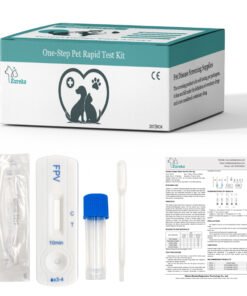
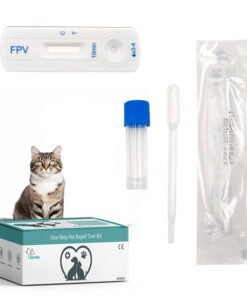
Feline Rapid Diagnostic Test Kits
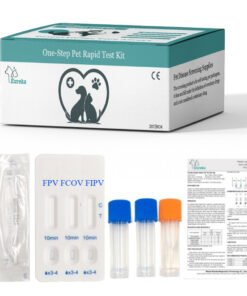
Feline Rapid Diagnostic Test Kits
Medical Disclaimer
This article is provided for general veterinary education. Clinical signs can overlap between diseases, and rapid-test results should be interpreted by veterinary professionals together with history, examination findings and other diagnostic information. Suspected serious illness requires prompt veterinary evaluation.