Feline Herpesvirus (FHV-1): Symptoms, Diagnosis & Care | Ranlraka
Overview
Feline herpesvirus type 1 (FHV-1) is a major infectious cause of feline upper respiratory and ocular disease. After initial infection, the virus can establish lifelong latency. Some cats may later shed virus or develop recurrent clinical signs, particularly during periods of stress or illness.
FHV-1 is especially important in kittens, shelters, catteries and other multi-cat environments where close contact facilitates transmission.
Common Clinical Signs
Typical signs include sneezing, nasal discharge, ocular discharge and conjunctivitis. Some cats develop corneal disease, fever, reduced appetite or lethargy. Severity varies considerably.
How FHV-1 Spreads
Transmission occurs mainly through contact with infected ocular, nasal and oral secretions. Close contact and shared environments facilitate spread. Latently infected cats may intermittently reactivate and shed virus.
Veterinary Diagnosis
Clinical signs and history often guide initial assessment. Rapid antigen or other point-of-care tests may support screening when appropriate, while molecular testing can be useful in selected cases. Detection must be interpreted in context because infection and shedding patterns can vary.
FHV and FCV Differential Diagnosis
FHV-1 and feline calicivirus are both common causes of feline upper respiratory disease. Their signs overlap, although certain ocular findings may be more suggestive of FHV and oral ulceration is often associated with FCV. Combined testing can support differential assessment.
Treatment and Supportive Care
Management depends on severity and may include supportive care for hydration, nutrition, nasal congestion and ocular disease. Some cats require specific antiviral or ophthalmic therapy prescribed by a veterinarian. Secondary bacterial complications may also need treatment.
Prevention and Long-Term Management
Vaccination reduces disease severity but does not necessarily prevent infection or latency. Reducing stress, maintaining good hygiene and separating clinically ill cats can help limit outbreaks in multi-cat environments.
Frequently Asked Questions
Can FHV-1 come back after a cat appears recovered?
Yes. FHV-1 can remain latent and may reactivate later, particularly during stress or illness.
Does a negative rapid test completely exclude FHV?
No. Intermittent shedding and sampling factors can affect detection.
Related Products
FHV Rapid Test Kit; FHV-FCV Combo Rapid Test Kit
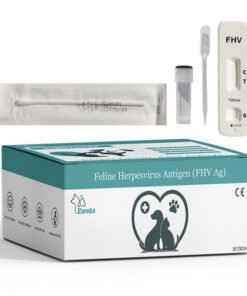

Feline Rapid Diagnostic Test Kits
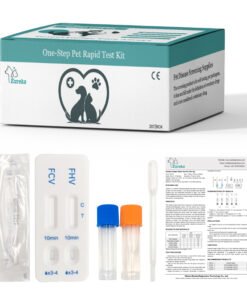
Feline Rapid Diagnostic Test Kits
Medical Disclaimer
This article is provided for general veterinary education. Clinical signs can overlap between diseases, and rapid-test results should be interpreted by veterinary professionals together with history, examination findings and other diagnostic information. Suspected serious illness requires prompt veterinary evaluation.