
Feline Leukemia Virus (FeLV): Symptoms, Transmission, Diagnosis & Care | Ranlraka
Overview
Feline leukemia virus (FeLV) is an important infectious retrovirus of cats. Infection can affect the immune system and blood-forming tissues and may increase the risk of anemia, recurrent infections and certain cancers. Some infected cats remain clinically normal for a period of time, while others develop progressive disease.
Common Clinical Signs
Possible signs include persistent or recurrent illness, weight loss, poor appetite, pale gums, fever, enlarged lymph nodes, poor coat condition and other abnormalities related to immune suppression, anemia or secondary disease. No single clinical sign is specific for FeLV.
How FeLV Spreads
FeLV is transmitted mainly through close contact with infected cats, particularly through saliva and nasal secretions. Shared grooming, prolonged close contact and, in some situations, bite wounds can contribute to transmission. Infection can also pass from an infected queen to kittens.
Veterinary Diagnosis
Veterinarians commonly begin with blood-based screening for FeLV antigen. A screening result is interpreted together with the cat’s history, exposure risk and clinical condition. Depending on the circumstances, repeat or confirmatory testing may be recommended.
FeLV Antigen Testing
Point-of-care FeLV antigen tests provide rapid qualitative screening using appropriate blood samples. A positive screening result does not always define the long-term infection status of a cat, and recent exposure may not be detectable immediately. Follow-up testing can therefore be important.
Treatment and Supportive Care
There is no simple treatment that eliminates FeLV from every infected cat. Veterinary care focuses on monitoring health, treating secondary infections or other complications, maintaining good nutrition and addressing specific clinical problems as they arise.
Prevention
Testing cats before introduction into appropriate multi-cat environments, reducing exposure to infected cats and vaccination of cats at risk can help reduce FeLV transmission. Preventive decisions should be based on lifestyle and veterinary guidance.
Frequently Asked Questions
Does a positive FeLV screening test always mean persistent infection?
Not necessarily. The meaning of a positive result depends on the stage and course of infection, and follow-up testing may be recommended.
Can a recently exposed cat test negative?
Yes. Infection may not be detectable immediately after exposure, so retesting may be appropriate when recent exposure is suspected.
Related Products
FeLV Rapid Test Kit
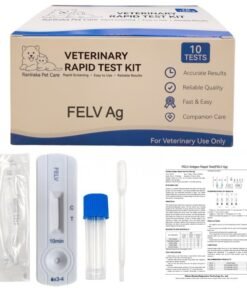
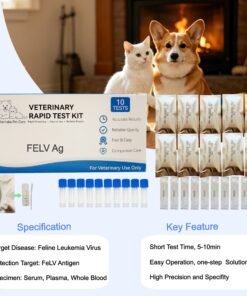
Feline Rapid Diagnostic Test Kits
Medical Disclaimer
This article is provided for general veterinary education. Clinical signs can overlap between diseases, and rapid-test results should be interpreted by veterinary professionals together with history, examination findings and other diagnostic information. Suspected serious illness requires prompt veterinary evaluation.