
Feline Calicivirus (FCV): Symptoms, Transmission, Diagnosis & Care | Ranlraka
Overview
Feline calicivirus (FCV) is a common viral pathogen associated with feline upper respiratory disease. Clinical expression varies between strains and individual cats. Respiratory signs and oral ulceration are common, while some infections can be associated with lameness or, rarely, more severe systemic disease.
FCV is particularly relevant in shelters, catteries and multi-cat households because infected cats can transmit virus through secretions and contaminated environments.
Common Clinical Signs
Signs may include sneezing, nasal or ocular discharge, fever, reduced appetite and oral ulcers, particularly on the tongue or other oral tissues. Some cats may drool because oral lesions are painful. Clinical severity varies.
How FCV Spreads
FCV spreads through contact with oral, nasal and ocular secretions and through contaminated objects and environments. Close-contact housing can facilitate transmission, and some recovered cats may continue shedding virus.
Veterinary Diagnosis
Veterinarians consider clinical signs, history and outbreak context. Rapid antigen testing may support point-of-care screening. Molecular testing and other laboratory methods may be used in selected cases, with results interpreted alongside the clinical picture.
FHV and FCV Differential Diagnosis
FCV and FHV-1 frequently appear in the differential diagnosis of feline upper respiratory disease. Oral ulceration may increase suspicion of FCV, while prominent ocular disease may suggest FHV, but signs overlap and laboratory testing may be useful.
Treatment and Supportive Care
Treatment is mainly supportive and tailored to the individual cat. Maintaining hydration and food intake is important, especially when oral pain or nasal congestion reduces appetite. Veterinary treatment may also address pain, secondary bacterial complications and other specific problems.
Prevention and Long-Term Management
Vaccination is an important component of prevention and can reduce disease severity. Hygiene, isolation of symptomatic cats and appropriate cleaning procedures are especially important in multi-cat environments.
Frequently Asked Questions
Can vaccinated cats still become infected with FCV?
Yes. Vaccination reduces the risk and severity of disease but does not provide absolute protection against every FCV strain.
Why might an FHV-FCV combo test be useful?
The two viruses cause overlapping upper respiratory signs, so combined screening can help support differential assessment.
Related Products
FCV Rapid Test Kit; FHV-FCV Combo Rapid Test Kit
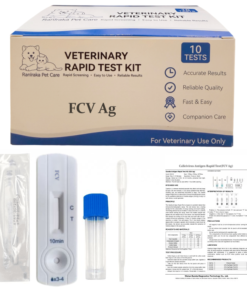

Feline Rapid Diagnostic Test Kits

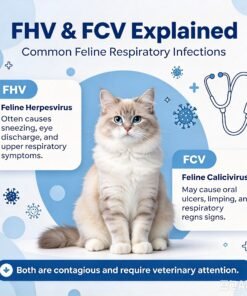
Feline Rapid Diagnostic Test Kits
Medical Disclaimer
This article is provided for general veterinary education. Clinical signs can overlap between diseases, and rapid-test results should be interpreted by veterinary professionals together with history, examination findings and other diagnostic information. Suspected serious illness requires prompt veterinary evaluation.