
Feline Coronavirus (FCoV): Infection, Transmission, Testing & FIP Risk | Ranlraka
Overview
Feline coronavirus (FCoV) is common in cats, particularly in multi-cat environments. Many infections cause no signs or only mild gastrointestinal illness. FCoV is also important because feline infectious peritonitis (FIP) can develop in a small proportion of infected cats after biological changes associated with the virus and the individual cat’s response.
Common Clinical Signs
Many FCoV-infected cats remain clinically normal. Some may develop mild or transient gastrointestinal signs such as diarrhea. Signs suggestive of FIP, however, are different and can include persistent fever, weight loss, lethargy, abdominal or chest fluid accumulation, ocular abnormalities or neurological signs.
How FCoV Spreads
FCoV is transmitted mainly by the fecal-oral route. Shared litter areas and contaminated environments can facilitate transmission, especially where many cats live together. Hygiene and litter-box management are therefore important parts of infection control.
Veterinary Diagnosis
Testing for FCoV exposure or infection must be interpreted carefully. Detection of FCoV-related antigen, antibody or nucleic acid can provide useful information depending on the assay, but a positive FCoV result alone does not diagnose FIP.
FCoV Testing and FIP
FCoV infection is much more common than FIP. For this reason, a positive FCoV test cannot by itself establish that a cat has FIP. When FIP is suspected, veterinarians combine clinical findings with laboratory testing, imaging, analysis of effusions when present and other diagnostic evidence.
Treatment and Supportive Care
Management depends on whether the cat has uncomplicated FCoV infection or is suspected of having FIP. Cats with persistent illness require veterinary evaluation. Treatment decisions for confirmed or strongly suspected FIP should be made by a veterinarian based on current clinical guidance and locally available therapies.
Prevention and Infection Control
Good litter-box hygiene, reducing fecal contamination, avoiding overcrowding and maintaining general health can help reduce FCoV transmission pressure in multi-cat environments.
Frequently Asked Questions
Does an FCoV-positive result mean a cat has FIP?
No. Many cats are exposed to or infected with FCoV without developing FIP. FIP diagnosis requires broader clinical and diagnostic assessment.
Can healthy cats carry or shed FCoV?
Yes. Cats may be infected and shed FCoV without showing obvious clinical disease.
Related Products
FCoV Rapid Test Kit; FPV-FCoV-FIPV Combo Rapid Test Kit
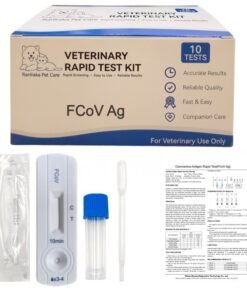

Feline Rapid Diagnostic Test Kits
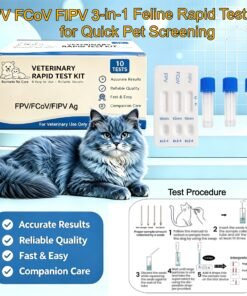
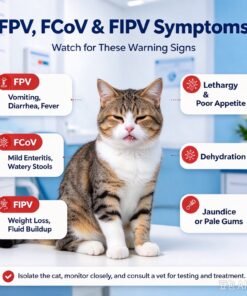
Feline Rapid Diagnostic Test Kits
Medical Disclaimer
This article is provided for general veterinary education. Clinical signs can overlap between diseases, and rapid-test results should be interpreted by veterinary professionals together with history, examination findings and other diagnostic information. Suspected serious illness requires prompt veterinary evaluation.